
STATIC OR INLINE MIXER
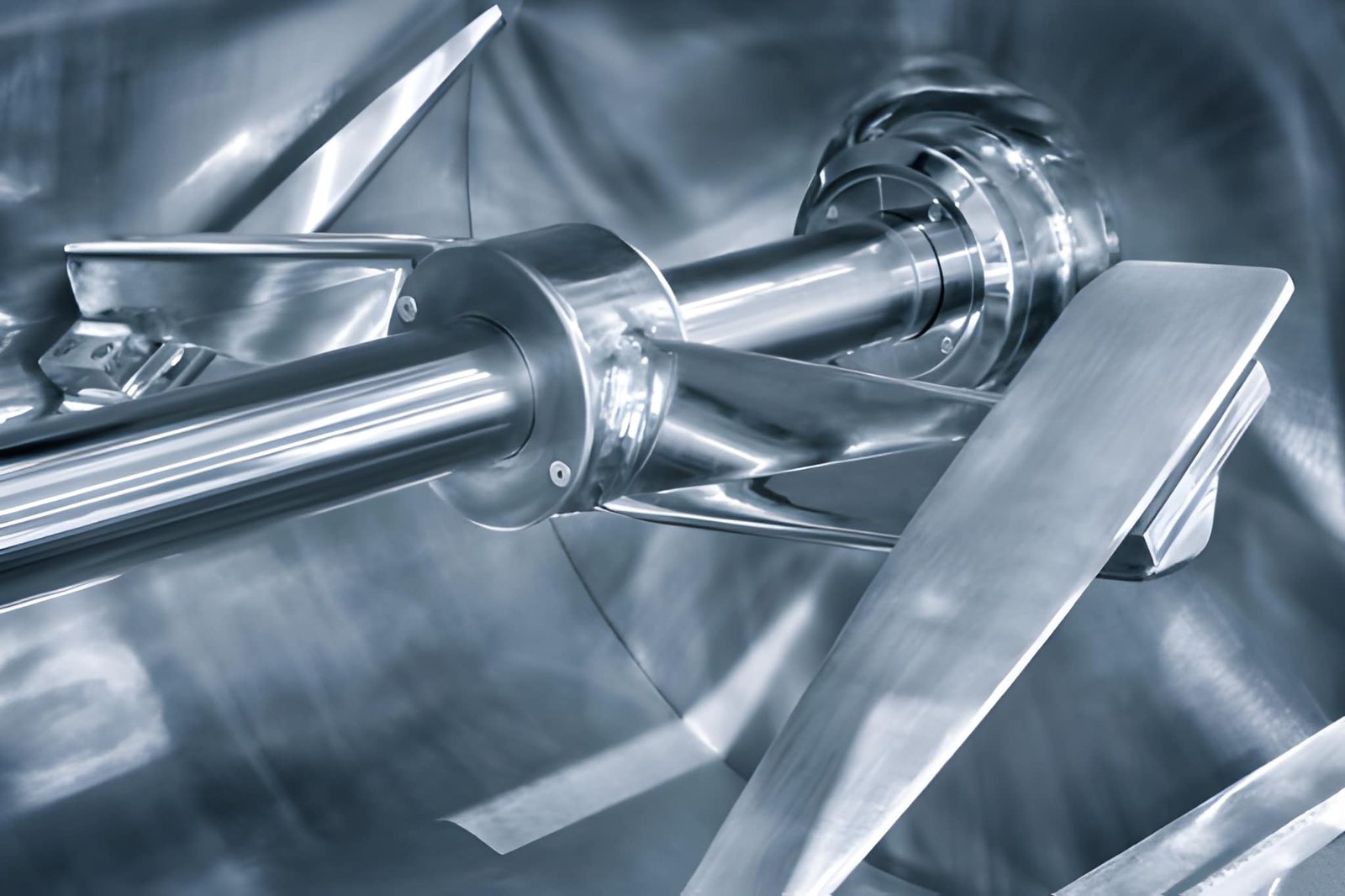
STATIC OR INLINE MIXER
A static or inline mixer is a device used to blend fluids, gases, or solids without any moving parts. Instead of relying on an agitator or rotor, it uses stationary mixing elements placed inside a pipe or tube, which create turbulence and force the material to mix as it flows through.
These mixers are commonly used in continuous processing industries such as chemical production, water treatment, and food manufacturing.
Since they have no mechanical elements, static mixers are durable, simple to install, and work well in situations where precise, low-energy mixing is required.
Key Features of Static or Inline Mixers:
No Moving Parts: Unlike traditional mixers, there are no rotating or moving components, making them maintenance-free and energy-efficient.
Continuous Flow: Mixing happens continuously as the material passes through the mixer, making them ideal for inline processes.
Applications: Used for blending liquids, dispersing gases into liquids, emulsification, and even heat transfer.
Static / Inline Mixers
Static or inline mixers are efficient devices for blending fluids, gases, or solids without moving parts. They rely on stationary mixing elements inside a pipe or tube to create turbulence, ensuring thorough mixing as the material flows continuously through the system. Ideal for chemical, water treatment, and food manufacturing processes.
Static Mixing Technology
Inline mixers provide consistent blending and dispersion without any mechanical parts, reducing maintenance and operational cost.
- No moving parts — maintenance-free and energy-efficient
- Mixing occurs as material flows through stationary elements
- Creates homogeneous blends of liquids, gases, and solids
- Compact and simple installation in pipelines
- Low energy consumption compared to mechanical mixers
Continuous Flow Mixing
Static mixers are ideal for continuous processing, ensuring precise mixing of large volumes with minimal operator intervention.
- Continuous inline mixing for process efficiency
- Consistent quality for every batch
- Can be used for dispersing gases into liquids and emulsification
- Works well with chemical, water treatment, and food processes
- Reduces risk of mechanical failure due to absence of moving parts
Applications & Benefits
Static mixers are versatile and durable, suitable for continuous blending and low-energy mixing processes across industries.
- Blending liquids and dispersing gases
- Emulsification of multi-phase fluids
- Heat transfer and chemical reactions in pipelines
- Precise mixing for continuous production
- Ideal for low-viscosity and low-energy applications
- Minimal maintenance with long operational life